


Polymer Alloy Formwork
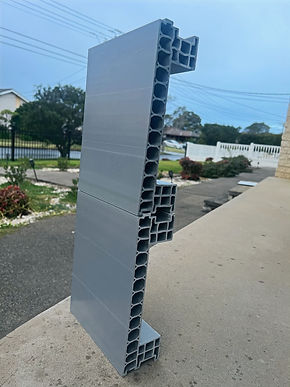
Polymer alloy formwork is a modern construction material used as a mold to shape and hold wet concrete. Unlike traditional formwork made from wood or steel, this innovative system is crafted from a durable and high-strength plastic alloy. It's essentially a lightweight and easy-to-use alternative that sets the stage for concrete to cure into its desired shape.
The Core Benefits (Why It's Better)
We've moved beyond old methods of timber and steel to give you a reusable and efficient formwork system that just makes sense. Here’s how it helps you build better and smarter.A strong unique selling proposition (USP) for polymer alloy formwork lies in its unparalleled combination of long-term cost-effectiveness and environmental sustainability, without compromising on quality or efficiency.

iglobalsourcing

Save Time and Labour Costs
The fact that the formwork panels are incredibly lightweight and feature a simple, interlocking design directly translates to faster setup and dismantling.This lightweight nature and ease of use mean your crew can work more efficiently, significantly reducing labor hours needed and thus, cutting down on labor costs.

Achieve a Superior Finish
The polymer alloy material ensures an exceptionally smooth and uniform concrete finish, eliminating the need for extensive post-finishing work like plastering.This translates to cost savings and time savings as you avoid expensive and time-consuming touch-ups or repairs.

Built to Last, Not to Waste
The main benefit of polymer formwork is its durability and reability. Unlike timber, it can be used repeatedly, minimizing material and job site waste. This makes it a long-term investment that supports eco-friendly practices and may help achieve green building certifications.

Lighter, Safer, and Easier to Handle
The lightweight nature of the polymer alloy reduces the physical strain on your team, making it easier and safer to handle on site, which minimizes the risks of musculoskeletal injuries and accidents.This enhanced efficiency helps lower fatigue and keeps your crew working productively throughout the day, improving overall site safety and worker wellbeing.

Versatility in Design and Adaptability
Your polymer alloy formwork's modular design makes it incredibly versatile, allowing it to be easily adapted to construct various types of architectural projects and structures.This flexibility extends to creating curved, irregular, and other complex shapes that are often challenging or expensive.

Simple Applications (Various Use Cases)
At iGlobal Sourcing, we are committed to providing cutting-edge solutions that address the evolving needs of the construction industry. Our polymer alloy formwork material and related services are designed to enhance the efficiency, sustainability, and quality of construction projects.
Residential and commercial buildings
Bridges, Tunnels, and Culverts
Complex Architectural Designs
Marine Construction
Temporary and Emergency Structures
Modular Construction
Walls, Columns, and Slabs
Retaining Wall/Landscaping
Real-life Use Cases
So What Does it Replace?
Polymer alloy formwork is primarily replacing traditional formwork materials like plywood, timber (wood), and steel. These are the conventional choices for creating the temporary molds into which concrete is poured during construction.

Plywood
Plywood formwork absorb water causing warping and requiring frequent replacements, contributing to deforestation. Polymerwork, however, resists water and corrosion, offers more than 80 re-uses, and provides a smoother finish, reducing waste.

Steel
Steel formwork is durable but heavier and more expensive, needing specialized equipment for handling. It can also rust and corrode if not well maintained, especially in humid conditions.

Timber
Timber formwork has notable drawbacks for construction. They absorb water, leading toping and degradation, and require frequent replacement. Additionally, unsustainable sourcing can contribute to deforestation, and plywood may yield aer concrete finish compared to plastic.
And Why Polycarbonate Alloy?
Polycarbonate alloy, particularly in formwork applications, stands out due to a distinct set of advantages, making it a compelling alternative to traditional materials.

_edited.jpg)
High Strength and Impact Resistance
_edited.jpg)
Polycarbonate exhibits high impact resistance, making it significantly tougher and more durable than glass and even many other plastics like acrylic.
.jpg)
Lightweight and Easy Handling

Polycarbonate is lighter than glass, simplifying handling and installation. This reduces labor needs and costs, projects more efficient without sacrificing quality.
.jpg)
Excellent Thermal Insulation
_edited.jpg)
Polycarbonate offers superior thermal insulation over glass, regulating temperatures and reducing costs. Multiwall panels enhance energy efficiency, making it a sustainable choice.
High Light Transmission and Aesthetics
Polycarbonate transmits natural light effectively, with clarity similar to, making it ideal for light-sensitive applications. It also offers diverse colors and textures, allowing for functional and visually appealing architectural designs.
Sustainability and Environmental Benefits
Polycarbonate is 100% recyclable, reducing landfill waste. Its insulation and light properties lower energy use, cutting carbon footprint, while durability results in fewer replacements, lessening environmental impact.
Versatility and Design Flexibility
Polycarbonate offers easy molding and shaping, providing flexibility. Some grades can be cold-bent on-site to create curves, unlike traditional materials like timber/steel.
Giving versatility in the construction industry.
Why is it value for money for you?
Reusuable
Cost Savings
Recyclable
High-Quality Finish
Can be used more than 80 times without losing strength, ensuring long-term usability.
From a business perspective, the initial investment is low compared to the long-term returns. Using it multiple times reduces overall project costs significantly.
After multiple uses, the material can be recycled, making it both eco-friendly and cost-effective.
Provides a smoother and cleaner finish compared to timber or steel formwork. Less rework is required, which saves both time and labour costs.